Menopause and Alopecia: Mechanisms, Diagnosis and Treatment
Why does hair change during menopause?
Menopause is accompanied by substantial hormonal changes that can affect the skin and hair. The menopausal transition begins several years before menstruation ceases; the average age at menopause is about 51 years. This period is characterized by declining estrogen levels and a shifting sex-hormone ratio.
Hair follicles are sensitive to hormonal signals. As a result, during menopause women may experience reduced hair density, a smaller hair-shaft diameter, changes in hair texture and increased shedding.
Hair loss can substantially reduce quality of life and cause anxiety, emotional distress and dissatisfaction with appearance. At the same time, the relationship between menopause and hair changes is complex: alongside age-related physiological processes, various forms of alopecia may develop that require differential diagnosis and individualized treatment.
The review article by Aditya K. Gupta and colleagues, published in Maturitas in 2025, examines the hormonal and molecular mechanisms of hair follicle changes, the main clinical forms of hair loss in postmenopausal women and current therapeutic approaches.
How do hormonal changes affect hair follicle biology?
Hair grows cyclically through three main phases:
- Anagen — the active phase of hair growth.
- Catagen — a short transitional phase of follicle regression.
- Telogen — the resting phase, after which the hair is shed and the cycle begins again.
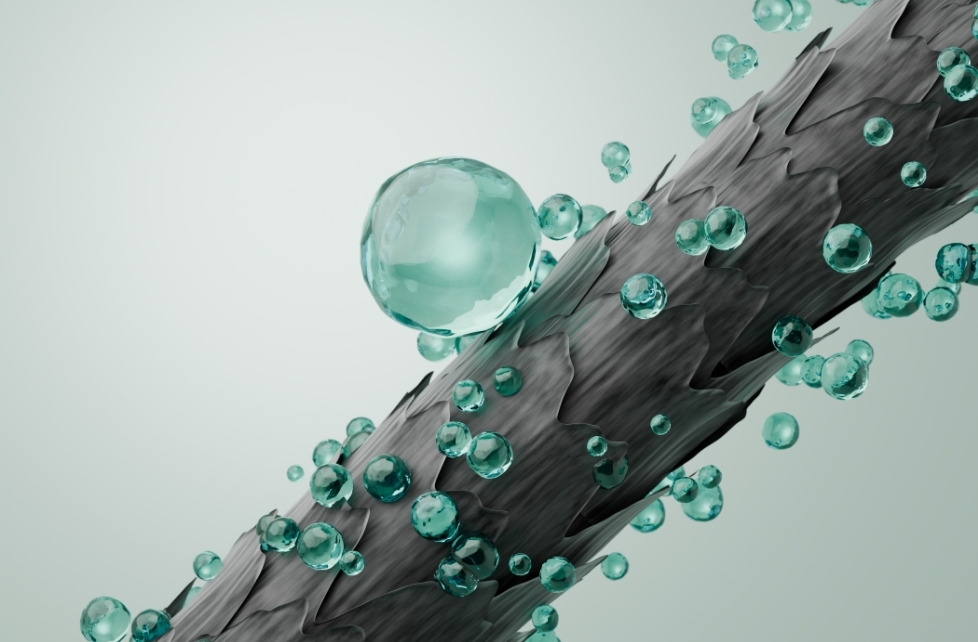
The duration and sequence of these phases are regulated by hormones, growth factors and intracellular signaling mechanisms. One of the key regulators is the Wnt/β-catenin pathway (a molecular signaling mechanism that transmits information within the cell and is involved in regulating cell proliferation, differentiation and the cyclic activity of hair follicles).
What role do estrogens play in hair growth?
Estrogens are involved in regulating the hair growth cycle. They interact with receptors in hair follicle tissues and may influence signaling pathways related to hair growth and to maintenance of the local immune environment.
After menopause, ovarian estrogen production declines considerably. This may contribute to changes in the duration of hair cycle phases, a lower proportion of hairs in anagen and increased shedding. Some studies in postmenopausal women noted a more pronounced decrease in the proportion of anagen hairs in the frontal scalp than in the occipital region.
Declining estrogen levels may also affect the metabolic and vascular function of the hair follicle. Estrogens participate in the regulation of carbohydrate and lipid metabolism and have vasodilatory effects. It is hypothesized that hormonal changes may affect the energy supply of the follicle and its microenvironment.
However, these mechanisms do not yet provide an unambiguous explanation for the development of alopecia after menopause. Further research is needed to determine the clinical significance of individual hormonal and metabolic factors.
How do androgens and SHBG affect hair loss?
After menopause, estrogen levels decline while the ovaries, adrenal glands and peripheral tissues continue to produce a certain amount of androgens. As a result, the estrogen-to-androgen ratio may shift, even if the absolute concentration of androgens does not rise.
At the same time, levels of SHBG (sex hormone-binding globulin) may decrease; this protein is synthesized mainly in the liver and regulates the transport of sex hormones in the blood. Changes in SHBG concentration can influence the proportion of free, biologically available testosterone.
In peripheral tissues, testosterone is converted to dihydrotestosterone (DHT) by the enzyme 5α-reductase. DHT interacts with androgen receptors and may contribute to the miniaturization of genetically predisposed hair follicles.
Nevertheless, hair loss in women is not necessarily accompanied by elevated blood androgen concentrations. The clinical significance of these hormones depends on the type of alopecia, genetic predisposition and individual tissue sensitivity.
Progesterone, thyroid hormones and other regulatory factors may also influence the hair. However, their independent role in the development of postmenopausal alopecia has not been sufficiently studied.
What forms of alopecia occur during menopause?
Female-pattern hair loss (FPHL)
FPHL (female-pattern hair loss — hair loss in women following the pattern characteristic of androgenetic alopecia) is one of the most common causes of progressive hair thinning in women.
The condition is characterized by gradual miniaturization of hair follicles, decreasing hair diameter and a reduction in hair count, predominantly in the central, frontal and parietal areas of the scalp. A typical clinical sign is widening of the central part with relative preservation of the frontal hairline.
Menopause may coincide with the onset or worsening of FPHL, but the condition also occurs in women of reproductive age. In a study of 178 healthy postmenopausal women, signs of FPHL were found in 52.2% of participants. This figure applies to the specific study group and cannot be automatically extrapolated to the entire population of women after menopause.
The pathogenesis of FPHL is multifactorial. Androgens may contribute to follicular miniaturization, but their role in women is less clear-cut than in male-pattern androgenetic alopecia. Genetic predisposition, local hormone metabolism and changes in the signaling mechanisms that regulate the hair growth cycle are also important.
Therefore, the diagnosis of FPHL should be based primarily on the clinical picture and trichoscopy findings, rather than solely on an assumption of systemic hormonal imbalance.
Telogen effluvium (TE)
Telogen effluvium (TE) is a non-scarring form of alopecia in which there is an increase in the number of follicles that prematurely enter the telogen phase. After a certain period, this leads to increased hair shedding.
Acute telogen effluvium usually develops after a triggering event and may gradually resolve over several months. The chronic form is characterized by diffuse shedding lasting more than six months.
Possible triggers include:
- emotional stress;
- severe infectious and systemic diseases;
- surgical procedures;
- marked weight loss and inadequate nutrition;
- iron deficiency and other nutritional disorders;
- changes in drug therapy;
- thyroid dysfunction.
During the menopausal transition, hormonal changes may be of additional importance. However, increased hair shedding at this age should not automatically be attributed solely to declining estrogen levels.
Chronic telogen effluvium may coexist with FPHL or make previously subtle follicular miniaturization clinically apparent. Assessment of how the changes evolve over time, history-taking and differential diagnosis are therefore important.
Frontal fibrosing alopecia (FFA)
Frontal fibrosing alopecia (FFA) is an inflammatory scarring form of alopecia that is more often diagnosed in postmenopausal women but may also develop in other age groups.
Its characteristic feature is the gradual recession of the frontal and temporal hairlines. Loss of eyebrows, eyelashes and hair on other parts of the body is possible.
In FFA, inflammation predominantly affects the upper portions of the hair follicle, including its stem cell region. Damage to this area may lead to replacement of follicular structures by scar tissue and irreversible hair loss.
Clinical and trichoscopic signs include perifollicular erythema, perifollicular hyperkeratosis and the persistence of isolated hairs against a receding hairline — the so-called “lonely hair” sign.
FFA requires timely recognition, because established scarring damage to the follicles is generally irreversible. Declining estrogen levels are considered one of the possible factors associated with the disease, but the exact role of hormonal and immune mechanisms is not yet fully understood.
More relevant information is available via Integumentary System.
How is hair loss treated during and after menopause?
The choice of treatment is determined by the established diagnosis, disease activity, severity of hair loss, comorbidities and the expected benefit–risk ratio.
It is necessary to distinguish between conditions in which hair regrowth is possible and scarring forms of alopecia, in which the main goal is to prevent further follicular damage.
Treatment of FPHL
Topical minoxidil at a concentration of 2% or 5% is one of the main treatments for FPHL.
Pharmacologically, minoxidil is a peripheral vasodilator and an activator of ATP-sensitive potassium channels. When applied topically, it is used as a hair growth stimulant; its exact mechanism of action in alopecia has not been fully established.
Depending on the formulation and regimen, a 2% solution or a 5% foam may be used. For some patients, specialists consider oral minoxidil off-label. In this case, the risk of systemic adverse effects, including hypotension, tachycardia and edema, must be taken into account.
For selected patients, antiandrogen agents may be considered, including spironolactone, finasteride and dutasteride. Spironolactone is a potassium-sparing diuretic with antiandrogenic properties. Finasteride and dutasteride inhibit 5α-reductase, which is involved in the conversion of testosterone to DHT.
The use of these drugs in women depends on the clinical situation and may be off-label. The evidence of efficacy is heterogeneous: finasteride 1 mg did not show a significant advantage over placebo in one randomized trial of women with FPHL, whereas some studies of higher doses in postmenopausal women noted possible improvement.
Additional options include topical ketoconazole, low-level laser therapy, microneedling and platelet-rich plasma injections. The evidence base for a number of these methods is limited, and study results are heterogeneous. These approaches should not be regarded as an equivalent substitute for the main treatments.
Treatment of telogen effluvium
The main goal in TE is to identify and, where possible, eliminate the triggering factor. Depending on the situation, this may include correcting an identified nutritional deficiency, evaluating thyroid function, reviewing drug therapy together with the prescribing specialist and treating comorbidities.
The patient should be told that hair regrowth may lag behind the elimination of the trigger, because the hair follicle cycle takes time.
In some cases, specialists consider minoxidil, especially if telogen effluvium coexists with FPHL. However, its use is not universally necessary in every episode of TE. Data on low-level laser therapy in telogen effluvium are limited and do not allow it to be considered a standard solution for all patients.
Treatment of FFA
In frontal fibrosing alopecia, treatment is aimed primarily at suppressing inflammation and stabilizing the disease.
Depending on the activity and extent of the process, topical and intralesional corticosteroids, topical tacrolimus and systemic agents with immunomodulatory effects may be used. When prescribing corticosteroids, the risk of skin atrophy must be taken into account.
In some studies, finasteride and dutasteride were used alone or in combination with other drugs, including hydroxychloroquine. Disease stabilization was achieved in some patients, but the evidence base relies largely on small studies and retrospective observations.
Minoxidil may be used as an adjunct to improve the growth of the remaining hair, but it does not eliminate the inflammatory process and does not prevent scarring on its own.
Surgical hairline restoration requires particular caution: in active or recurrent disease, there is a risk of further scarring and loss of transplanted hair.
What are the limitations of hormone therapy and the available evidence?
Despite the biological plausibility of a link between estrogens and hair growth, hormone replacement therapy is not considered a standard treatment for alopecia after menopause.
In the studies reviewed, its efficacy for hair loss was limited compared with standard approaches. Hormone therapy should be prescribed on the basis of general clinical indications, contraindications and the individual risk profile, not solely on the condition of the hair.
A key limitation of the existing data is the lack of large randomized trials specifically dedicated to postmenopausal women. For many treatments, efficacy data come from small clinical series, observational studies or studies with heterogeneous patient groups.
The results therefore require cautious interpretation. Further research should clarify the mechanisms of postmenopausal alopecia, optimal treatment regimens, dosages and the long-term safety of therapeutic interventions.
What should be considered in clinical practice?
Hair loss during menopause should not automatically be attributed to age-related or hormonal changes. To choose a management strategy, it is necessary to determine the type of alopecia and to assess the rate of progression, the distribution pattern of hair loss and the presence of signs of inflammation or scarring.
When FFA is suspected, it is particularly important to refer the patient to a dermatologist promptly, because follicular damage may be irreversible.
Laboratory testing should be targeted on the basis of clinical findings, rather than ordering the same panel of hormonal and metabolic tests for all patients.
Given the possible impact of hair loss on psychological well-being, clinical assessment should include a discussion of the patient’s expectations and realistic treatment goals. Informing the patient about the duration of therapy, the variability of response and the limitations of the evidence base helps to build a well-founded management plan.
Additional relevant facts are available via Women's Health.
Key clinical takeaways
Menopause is accompanied by hormonal changes that may affect the hair growth cycle, density and quality. Declining estrogen levels, altered androgen bioavailability and possible disturbances of metabolic and vascular regulation are considered potential mechanisms of hair loss. However, their contribution to the development of specific conditions varies and has not yet been fully studied.
FPHL, telogen effluvium and frontal fibrosing alopecia require a differentiated approach to diagnosis and treatment. Minoxidil has an important place in the treatment of FPHL, whereas in TE the key is correcting the triggering factors, and in FFA, timely suppression of inflammation and prevention of further scarring.
Available treatments may help slow hair loss, improve hair density or stabilize the disease; however, efficacy depends on the clinical condition, and evidence for a number of interventions remains limited.
Timely diagnosis, individualized choice of therapy and a realistic discussion of the prognosis form the basis of managing women with hair loss during menopause.
References
- Gupta AK, Economopoulos V, Mann A, Wang T, Mirmirani P. Menopause and hair loss in women: Exploring the hormonal transition. Maturitas. 2025;198:108378. doi:10.1016/j.maturitas.2025.108378.
Author: Olena Vyrva, MD
Questions & Answers
Q1. Is hair loss after menopause always related to declining estrogen levels?
No. Declining estrogen may affect the hair growth cycle, but hair loss may also be related to FPHL, telogen effluvium, FFA, medications, previous illnesses and other factors, so the specific cause needs to be established before treatment is chosen.
Q2. Which treatments are used for hair loss in postmenopausal women?
In FPHL, topical minoxidil is one of the main treatments; in telogen effluvium, the priority is to identify and eliminate the trigger, and in FFA, to control inflammation and prevent further scarring. Hormone replacement therapy is not considered a standard treatment for hair loss, and its use should be based on general clinical indications.