Can the trajectory of neurodegeneration be changed? Biological mechanisms of dementia prevention and the potential of personalised intervention
Dementia remains one of the most serious medical and social challenges of an ageing population. Despite progress in the study of Alzheimer’s disease (AD) and the arrival of new drugs that can act on individual pathological mechanisms of the disease, the ability to stop or reverse the neurodegenerative process is still limited. Prevention aimed at modifiable risk factors and at preserving cognitive health across the lifespan is therefore becoming increasingly important. See also: Diagnostic guidelines for Alzheimer’s disease (guideline overview).
According to the data cited in the reviewed publication, up to 45% of dementia cases may be linked to potentially modifiable factors. This opens the way for preventive strategies that go beyond the control of individual diseases. The key question, however, is not only which lifestyle changes can improve cognitive function, but also through which biological mechanisms these effects are achieved.
The review by Anna Matton and colleagues brings together clinical trial data on how physical exercise, cognitive training, nutrition, management of cardiovascular and metabolic disorders, normalisation of sleep, stress management and multidomain interventions affect dementia-associated biomarkers.
Why should dementia prevention start before clinical symptoms appear?
Neurodegenerative changes develop gradually. The preclinical period can last for years before the first objective cognitive impairment appears, including mild cognitive impairment (MCI), followed later by clinically manifest dementia.
At this stage, factors that can influence the vascular system, metabolism, neuroinflammation and neuroplasticity play a particular role. Arterial hypertension, type 2 diabetes, obesity, dyslipidaemia and low physical and cognitive activity can amplify the pathological processes linked to age-related brain changes.
It is important to keep in mind that Alzheimer’s disease rarely occurs as isolated neuropathology. Vascular lesions, metabolic disorders and other coexisting changes often give dementia a mixed character. Prevention should therefore take into account not only amyloid and tau pathology, but also cerebral microcirculation, systemic inflammation and metabolic health.
Which biological mechanisms determine the effectiveness of preventive interventions?
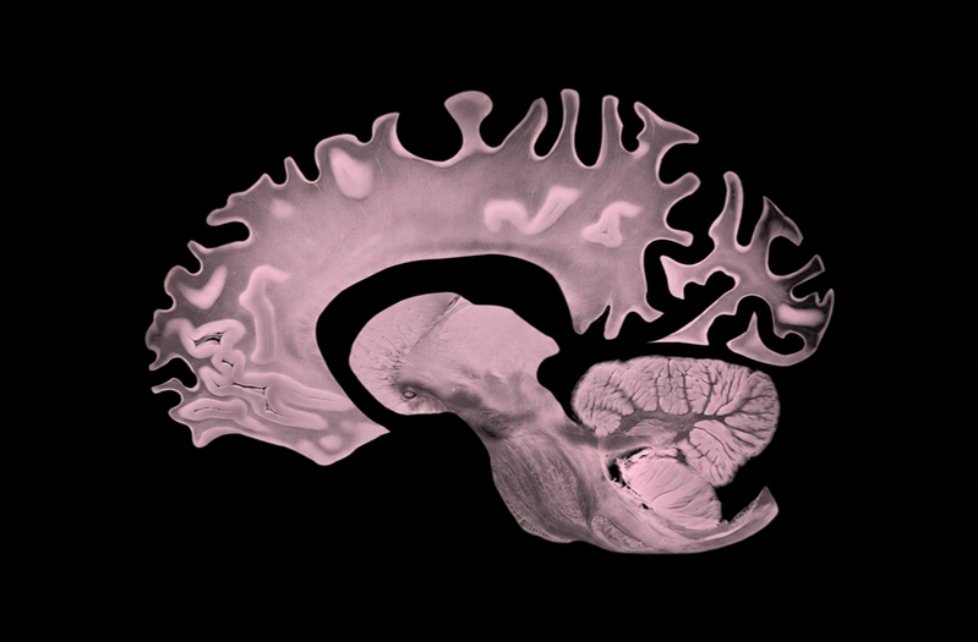
The authors consider several key groups of biomarkers that make it possible to assess the potential mechanisms of prevention:
- Neuroimaging measures: hippocampal volume, cortical thickness, white matter integrity, cerebral blood flow and functional connectivity of neural networks.
- Biomarkers of neurodegeneration: amyloid-beta (Aβ), total and phosphorylated tau (tau, p-tau), neurofilament light chain (NfL).
- Markers of neuroplasticity: brain-derived neurotrophic factor (BDNF), insulin-like growth factor 1 (IGF-1).
- Inflammatory and metabolic measures: C-reactive protein (CRP), tumour necrosis factor alpha (TNF-α), interleukins and markers of glucose and lipid metabolism.
Changes in these measures make it possible to assess how interventions affect different links in the chain of pathogenesis. At the same time, a favourable change in a single biomarker does not yet mean proven prevention of dementia. This distinction must be kept in mind when interpreting the results of clinical trials.
Physical activity: can neuroplasticity be influenced through the muscular system?
Physical exercise is among the most studied non-pharmacological strategies for reducing the risk of cognitive decline. Its potential effect is not limited to improved cardiovascular function.
One of the key mechanisms is increased production of BDNF, a protein involved in the development and maintenance of neurons, synaptic transmission, and learning and memory. Physical activity also stimulates the release of myokines, which provide a functional link between skeletal muscle and the brain.
A meta-analysis of 13 randomised controlled trials (RCTs) in patients with MCI showed that exercise helped reduce TNF-α and CRP while raising levels of neuroprotective factors, including BDNF and IGF-1.
Neuroimaging studies also found favourable changes in regional brain activity, cerebral blood flow and some measures of hippocampal volume. However, results on white matter structural integrity and amyloid burden were inconsistent.
The strongest evidence therefore points to an effect of exercise on neuroplasticity, inflammatory processes and vascular-metabolic mechanisms. A direct effect on amyloid and tau pathology has not yet been studied sufficiently.
Cognitive training: can mental workload preserve the brain’s functional reserves?

Cognitive stimulation aims to maintain and develop memory, attention, executive functions and processing speed.
Studies show a potential effect of such interventions on the functional connectivity of frontoparietal and other neural networks, grey matter volume, hippocampal structure and cortical thickness.
In patients with amnestic MCI, improved cognitive scores after group and home-based training were accompanied by changes in BDNF levels.
However, the effect depends on baseline cognitive status and on the stage of the pathological process. In some studies, no significant structural or functional changes were found in patients with already established neurodegenerative pathology.
This underlines the importance of starting cognitive stimulation in good time. It should be regarded as one component of a long-term prevention programme rather than as a stand-alone treatment for established dementia.
Nutrition: is there a neuroprotective dietary pattern?
The authors pay particular attention to the Mediterranean diet (MeDi) and the MIND diet (Mediterranean-DASH Intervention for Neurodegenerative Delay), which combines the principles of Mediterranean eating and the DASH diet (Dietary Approaches to Stop Hypertension).
Proposed mechanisms include reduced systemic inflammation, an improved metabolic profile, effects on the gut microbiota and a supply of substances with antioxidant and anti-inflammatory properties.
In some studies, adherence to the Mediterranean diet was associated with more favourable changes in hippocampal volume and cerebral perfusion. However, results for amyloid and tau markers were conflicting and depended, among other things, on participants’ baseline cognitive status.
Importantly, the benefit of dietary interventions cannot always be separated from accompanying weight loss and improved cardiovascular measures. Evidence for individual dietary supplements is also limited: for example, omega-3 studies did not show a convincing effect on Aβ42 levels in cerebrospinal fluid.
The priority therefore remains a complete dietary pattern, not the empirical prescription of individual nutrients as a means of preventing Alzheimer’s disease.
Cardiovascular and metabolic factors: why does control of systemic disease become part of neuroprotection?
Vascular and metabolic disorders have a substantial effect on the structural and functional preservation of the brain.
Type 2 diabetes (T2D) is of particular importance: it is associated with insulin resistance, inflammatory changes and reduced volume of certain brain structures. In studies, intensive glycaemic control was accompanied by more favourable changes in grey matter volume and cerebral blood flow.
Arterial hypertension is another significant modifiable risk factor. In the SPRINT-MIND trial, intensive lowering of systolic blood pressure to a target below 120 mmHg, compared with a standard target below 140 mmHg, was accompanied by a lower risk of MCI and of the combined endpoint of MCI or probable dementia. Additional data pointed to slower progression of white matter hyperintensities.
Such targets, however, cannot be transferred automatically to all older patients: the intensity of antihypertensive treatment should be decided individually, taking into account tolerability, comorbidities and the risk of hypotension.
The link between obesity and dementia also depends on age. Obesity in midlife is associated with a higher risk of later dementia, whereas weight loss in older age may be a consequence of neurodegeneration that is already developing. Unintentional weight loss in an older patient therefore calls for clinical assessment rather than being read automatically as a favourable metabolic change.
Data on the effect of statins on Alzheimer’s-specific biomarkers remain conflicting. Nevertheless, treating dyslipidaemia remains important for reducing established cardiovascular risk.
Sleep, stress and social activity: how much do these factors matter for cognitive health?
Sleep disturbances are potentially linked to the accumulation of amyloid-beta. One proposed mechanism is reduced efficiency of the glymphatic system, which helps clear metabolic waste from the central nervous system. See also: Normal sleep with age-related changes (review).
Small studies have shown that treating insomnia, improving sleep hygiene and light therapy may have a favourable effect on some measures of brain activity and structure. However, the evidence is still limited by small samples and short follow-up.
The situation is similar for mindfulness and meditation practices. Despite some positive results for cognitive and inflammatory measures, there is not yet convincing evidence of a stand-alone neuroprotective effect.
Social activity is regarded as a potential factor in maintaining cognitive reserve, psychological well-being and cerebrovascular health. However, biomarker studies of social activity as an isolated intervention are practically non-existent.
Why is multidomain prevention becoming the most promising strategy?
Because dementia develops under the influence of several interconnected pathological mechanisms, acting on only one risk factor may not be enough.
The multidomain FINGER model (Finnish Geriatric Intervention Study to Prevent Cognitive Impairment and Disability) combines five areas: dietary guidance, physical activity, cognitive training, management of vascular and metabolic risk factors, and social activity. See also: Prevention and reduction of cognitive decline (lecture).
FINGER showed a positive effect of the combined intervention on cognitive function in people at increased risk of cognitive decline. At the same time, neuroimaging results were mixed: over two years, no significant between-group differences were found in a number of structural brain measures.
Other trials, including MAPT, preDIVA and SUPERBRAIN, also produced heterogeneous results. Some reported changes in cortical thickness, functional brain activity and BDNF levels, but no universal effect across all biomarkers was found.
This points to the need to take into account baseline risk, genetic characteristics, age, cognitive status and intervention intensity. One promising concept is precision prevention: personalised prevention based on the individual risk profile and biological characteristics of the patient.
From general recommendations to personalised prevention: what is the next step for clinical practice?
Despite the considerable body of data, the authors identify several limitations of the current evidence.
First, most biomarker studies were carried out in small subgroups of participants, which limits statistical power and the generalisability of the results. Second, intervention protocols, follow-up duration and methods of biomarker assessment vary considerably. Third, differences in response to preventive measures by sex, age and ethnicity are insufficiently studied.
Blood biomarkers hold particular promise, as they could make monitoring of pathological processes more accessible than cerebrospinal fluid testing and complex neuroimaging methods. See also: A Blood Test for Alzheimer's Disease: Progress, Challenges, and Recommendations (news).
For the practising clinician, this means moving from general advice to a comprehensive assessment of individual risk. Control of blood pressure, glycaemia, lipid profile, body weight, physical activity, nutrition, sleep and cognitive status should be seen as interconnected areas of preventive work.
At the same time, none of the approaches reviewed should be presented as a proven stand-alone means of preventing dementia. The best-founded approach remains a comprehensive strategy of correcting modifiable risk factors in line with the patient’s clinical condition.
Dementia prevention begins long before memory loss
The main conclusion of the study is that acting on modifiable risk factors can potentially influence several biological mechanisms of brain ageing at once. Physical activity, a balanced diet, cognitive stimulation and control of vascular-metabolic disorders form the basis of a preventive approach that can support neuroplasticity and the functional reserves of the central nervous system.
The next stage in this field, however, is not simply a longer list of preventive recommendations, but the development of adaptive programmes that take into account individual risk, biomarkers and the patient’s response to the intervention.
For clinical practice, this means an important shift: dementia prevention should begin not when marked memory problems appear, but much earlier — at a stage when correcting risk factors can still change the trajectory of cognitive ageing.
Q&A
Which non-pharmacological interventions have the strongest evidence for reducing dementia risk?
The most promising are multidomain programmes that combine physical activity, cognitive training, a balanced diet and control of cardiovascular and metabolic risk factors. Individual studies show a favourable effect of these interventions on neuroplasticity, cerebral blood flow and some biomarkers. However, evidence of a direct reduction in the incidence of dementia remains limited.
Can control of blood pressure and diabetes slow cognitive decline?
Yes, there is clinical evidence supporting the potential benefit of adequate control of these conditions. In particular, the SPRINT-MIND trial showed a lower risk of MCI with intensive blood pressure control. Glycaemic control in T2D was also associated with favourable changes in some neuroimaging measures. Treatment should be decided individually, taking into account age, comorbidities and the risk of adverse events.
References
Matton A., Stephen R., Daniilidou M., et al. Mechanisms of interventions targeting modifiable factors for dementia risk reduction. Molecular Neurodegeneration. 2025;20:75. https://doi.org/10.1186/s13024-025-00845-w (open access, CC BY 4.0)
Olena Vyrva, MD, MBA