Modern strategy for combating skin aging
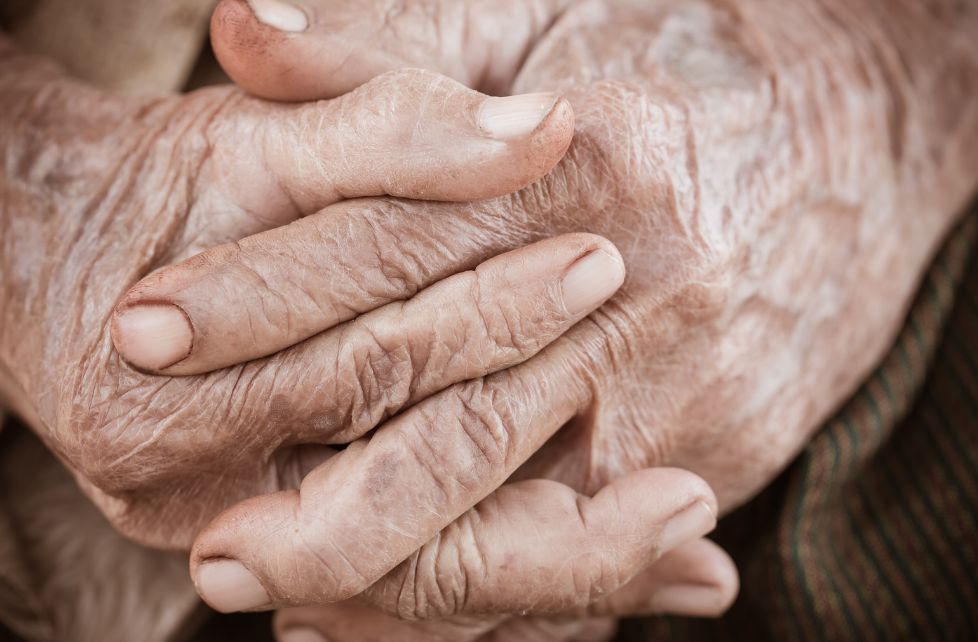
There is a constant contradiction between human desire for eternal youth and the inevitable aging processes of the body, including the skin. Degenerative processes in the skin begin from birth and continue uninterrupted.
In their article "Fighting against skin aging" (Shoubing Zhang et al.), the authors presented a modern concept of the skin aging process and analyzed the available resources for preventing and treating the consequences of the inevitable transformation of the skin under the influence of environmental factors and internal age-related changes in the human body.
The following directions have been identified in the treatment and prevention of aging processes:
- Antioxidants
- Retinoids
- Stem cell therapy
- Hormone replacement therapy (HRT)
- Telomere modification
- Diet restriction
- Anti-progeria strategies
- Anti-inflammation therapy
Antioxidants
All physiological processes in the body occur as a result of biochemical reactions with subsequent accumulation of oxidation products. Antioxidants are chemical substances that neutralize oxidation products. The most popular antioxidants include:
- Vitamin C
- Vitamin E
- Green tea
- Aloe vera
In addition, antioxidants, as restoratives, affect reactive oxygen species (ROS), preventing collagen destruction and consequently skin aging. However, it is noteworthy that antioxidant supplements do not have a preventive effect, and excessive addition of antioxidants can potentially be harmful. The goal of antioxidant therapy is to restore oxygen homeostasis (the constancy of the body's environment), rather than completely eliminating all oxidant forms, as they perform their physiological functions. It is also undesirable to strive for complete inactivation of ROS, and antioxidant therapy should only be prescribed when the level of ROS is close to critical levels.
Stem cell therapy
Stem cell transplantation is a promising and prospective method for combating skin aging. For example, implantation of adipose tissue can improve the quality of the recipient's skin. Modern research proves that adipose-derived stem cells (ADSCs) stimulate the regeneration of aging skin. For instance, autotransplantation (transplantation of one's own tissues or cells) of adipose tissue has a rejuvenating effect on aging skin and increases the volume of periocular (around the eyes) and perioral (around the mouth) areas of the recipients (Kim WS et al). Recent research results provide data that ADSCs can transdifferentiate into epithelial stem cells (Derby BM et al). This provides an understanding of how adipose grafts can rejuvenate the skin.
Retinoids
Retinoids are substances with chemical activity, derivatives of retinoic acid, which belong to the group of vitamin A derivatives. The first retinoid approved for clinical research was tretinoin - a form of vitamin A in the form of a carboxylic acid, known as all-trans retinoic acid (ATRA). Retinoids prevent collagen degradation. Topical application of retinoids demonstrates an increase in epidermal thickness (Thirunavukkarasu V et al). In modern cosmetology, there is increasing popularity in the use of cosmetic substances that contain derivatives of vitamin A.
Hormone replacement therapy
Hormone replacement therapy, widely used during the perimenopausal period, noticeably slows down the aging process of the skin by maintaining collagen levels, moisture, and elasticity of the skin layers. However, hormone replacement therapy increases the risks of developing breast and ovarian cancer.
Telomere modification
Considering the fact that telomere shortening (repetitive nucleotide sequences) disrupts the integrity of chromosome ends in dermal cells and leads to their degradation, telomerase activation (an enzyme that adds nucleotide sequences) could seem like an ideal method for rejuvenating the skin as telomerase activates telomere repeats at chromosome ends. This protects skin cells from accelerated degeneration. However, on the other hand, telomere modification increases the proliferative capacity of cells, which raises the risk of epidermal carcinogenesis (the process of skin cancer development).
Dietary restrictions
The essence of dietary recommendations is to reduce glycation processes – the process of binding proteins and lipids with glucose or fructose, which leads to inhibition of normal cell functions. Glycation accelerates both internal and external aging processes. Undesirable glycation products are also found in foods prepared by frying and grilling, while they are almost absent in foods prepared by steaming and boiling. Numerous data suggest that the glycation process can be inhibited by spices and culinary herbs such as:
- Cinnamon
- Clove
- Oregano
- Allspice
- Ginger
- Garlic
- Green tea catechins
Combating progeria
Progeria is a rare severe genetic disease characterized by progressive premature aging of the body, including the skin, which undergoes extreme thinning and loss of elasticity. For example, it has been proven that the predominant toxic component in this disease is the farnesyl group in the mutant progerin protein. The use of a farnesyltransferase inhibitor in clinical trials has led to reduced vessel fragility and strengthened bone tissue (Gordon LB et al.). However, considering that such patients have an early mortality, the main goal of treatment is not combating skin aging but prolonging life.
Anti-inflammatory therapy
Aggressive external factors, including UV radiation, lead to deep inflammatory changes in the skin. Wrinkles primarily form due to dermal changes. Local anti-aging skin therapies are quite promising, although there are still difficulties with transporting active substances in creams and serums into the deep layers of the dermis.
Thus, skin aging is caused by a complex interplay of external and internal factors and has various mechanisms of development. Today, it is difficult to name any specific method as a targeted therapy for treating skin aging. However, the search for understanding the aging processes in the body continues, along with the search for methods of prevention and treatment of skin aging.