How to get rid of belly fat?
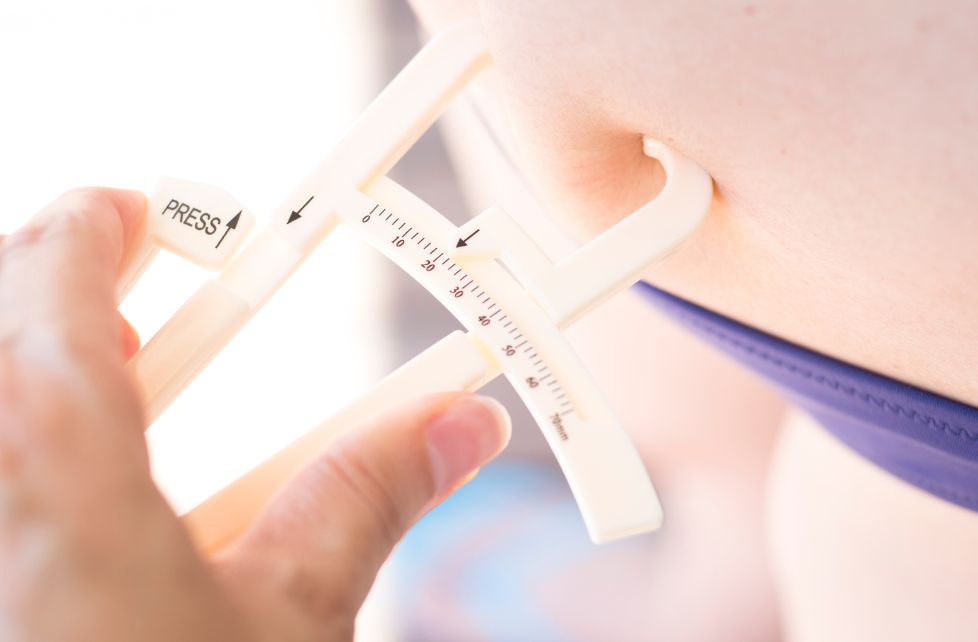
Is it worth worrying if you have excess fat deposits on your stomach? If you care about your health, it is crucial to pay close attention to this. Analyzing your status is quite simple: you need to measure the lower part of your abdomen. If the measurement results are 89 cm for women and 101 cm for men, it is time to take action. First of all, you should measure your BMI - Body Mass Index. This index is determined by the ratio of body weight to height squared and is measured in kg/m2.
BMI indicators correspond to:
- 25 kg/m2 and above – excess body weight
- 30 kg/m2 and above – obesity of the 1st degree
- 35 kg/m2 and above – obesity of the 2nd degree
- 40 kg/m2 and above – obesity of the 3rd degree
If your BMI is elevated, you are at risk of developing chronic conditions such as type 2 diabetes, heart disease, atherosclerotic disease, and hypertension. According to statistics, about 45 million Americans try to lose weight every year, but only 54% of them manage to maintain the achieved result in the long term. Unfortunately, there is no magic or radical method for weight loss. But the good news is that a sustainable result can be achieved, and it depends entirely on your efforts. And this method is a healthy lifestyle based on proper nutrition and fitness habits. So, if you have decided to get rid of excess fat on your stomach and not only there, let’s analyze the arsenal that should become your sustainable habits:
Consistent daily routine
Plan your daily schedule. Wake up and go to bed at the same time. Plan your meals with calorie counting. Determine the quantity and frequency of workouts per week. Analyze the past month. Make necessary adjustments.
Quality sleep
Adequate and quality sleep is crucial. Lack of sleep leads to hormonal imbalance in the body, resulting in overeating and choosing sweet and high-calorie foods with low nutritional content. In addition, lack of sleep affects insulin sensitivity, leading to fat accumulation, especially in the abdomen. The recommended nighttime sleep duration is at least 7 hours. Go to bed at the same time. Avoid drinks with high caffeine content in the evening.
Daily physical activity
Regular physical activity, whether it’s walking, dancing, or going to the gym, is crucial for burning calories and managing weight. Recommendations for minimal physical activity include 150 minutes of moderate intensity per week. Statistics show that people whose workouts exceeded 200 minutes per week lose significantly more weight. One condition for weight loss is a calorie deficit, which can be achieved through physical activity. Include any form of physical activity in your schedule, such as taking the stairs instead of the elevator, parking your car farther from home, or biking to work. These minor lifestyle changes will increase daily energy expenditure, contributing to weight loss.
Cardio exercises
Cardio exercises are aerobic activities that increase heart rate. Cardio includes running, cycling, dancing, walking, skiing, skating, and rollerblading. Cardio exercises accelerate metabolism, promoting fat burning. Regular cardio workouts allow you to burn more energy even at rest after the training, in addition to burning calories during the workout.
Strength training
In addition to building muscle mass, strength training increases resting metabolism, allowing the burning of calories even after the workout. This process contributes to reducing both overall and visceral fat levels. For an effective result, it is recommended to add strength training to your routine three times a week.
Sync workouts with menstrual cycle
For greater effectiveness, high-intensity and cardio workouts are recommended in the first phase of the menstrual cycle (follicular and ovulatory phases), and strength training in the second phase (luteal and menstrual phases). Do not interrupt workouts during menstruation unless there are specific recommendations from a gynecologist.
Adequate hydration
Keep in mind that up to 70% of the human body is composed of water. Avoid dehydration. Consuming a large amount of water helps reduce hunger and prolong the feeling of fullness, contributing to optimizing metabolism.
Priority to fiber
Choose foods rich in fiber: oats, flax seeds, legumes, whole grains. It is also recommended to add more foods high in soluble fiber to your diet, such as chickpeas, carrots, sweet potatoes, lentils, bananas, berries, and avocados. This helps control appetite, promotes a feeling of fullness, reduces overeating, regulates blood sugar levels, and helps shed excess weight. Increasing daily soluble fiber intake by 10 grams reduces the risk of abdominal fat accumulation by 3.7%.
Probiotic-rich foods
Include foods like yogurt, kefir, and sauerkraut in your diet. All of them contain probiotics and promote a healthy gut microbiota, helping to control weight.
Omega-3 fatty acids
Products rich in omega-3 fatty acids, such as salmon, walnuts, and flaxseeds, possess beneficial anti-inflammatory properties and contribute to feeling fuller for longer. All these properties contribute to successful weight regulation.
Green vegetables
Spinach, cabbage, and broccoli are rich in antioxidants, vitamins, and minerals, low in calories, and high in nutrients. An ideal choice for consuming fiber and reducing body mass index.
Spicy food
Adding some spiciness to your diet will not hurt. Products like chili, cayenne pepper, red hot peppers, and other spices contain capsaicin, a substance that promotes calorie burning and speeds up metabolism.
Reduction or elimination of alcohol consumption
Alcohol not only contains more calories per gram than carbohydrates but also metabolizes differently than food, temporarily reducing fat breakdown. Additionally, alcohol negatively impacts sleep. Keep in mind that a glass of wine may be enjoyable but can sabotage all your efforts to fight belly fat.
Stress management
Chronic stress stimulates the production of cortisol by the body, which temporarily raises blood sugar levels and appetite. Typically, this intensifies the craving for high-calorie food, nullifying all weight loss efforts. Elevated cortisol levels during workouts balance out throughout the day, unlike cortisol produced in chronic stress situations, which remains consistently high. Add a bit of meditation to your schedule – it's a good start to combat stress.
So, there is nothing complicated in the arsenal of methods to combat belly fat. Daily routine actions will help reduce BMI. The reward will be a slender and attractive body, excellent well-being, and a good mood. Isn’t that a wonderful result?