From Reaction Time to Risk: How Alcohol and Narcotics Compromise Driving – A Scientific Review
Operating a vehicle under the influence of alcohol and narcotic substances remains a significant public safety concern worldwide, leading to an alarming number of preventable accidents and injuries every year. The consumption of these substances results in serious cognitive and physiological impairments that severely diminish a person’s ability to drive safely.
Alcohol affects the central nervous system (CNS), weakening reflexes, impairing coordination, distorting judgment, and lowering self-control. Similarly, other substances—including stimulants, depressants, hallucinogens, and various prescription medications—interfere with driving ability through different mechanisms.
This review is based on scientific literature, statistical data, and legal frameworks concerning impaired driving.
The Impact of Alcohol on the Central Nervous System
Alcohol is rapidly absorbed after ingestion, initially stimulating and then depressing CNS activity. This leads to reduced cognitive function, delayed inhibition, and slower reaction times. Research indicates that alcohol particularly affects the brain’s frontal lobe, which governs judgment, emotional regulation, and decision-making. As a result, drivers under the influence often make poor choices, display impaired coordination, and engage in risky behaviors.
Alcohol disrupts the function of key neurotransmitters, such as glutamate and gamma-aminobutyric acid (GABA), which are essential for motor control and attention—both critical for safe driving. As blood alcohol concentration (BAC) rises, the ability to process external stimuli decreases, causing delayed recognition of road hazards and slower reaction times. Alcohol-induced drowsiness may lead to micro-sleeps, further increasing the risk of motor vehicle accidents.
Alcohol Metabolism in the Body
Alcohol is absorbed through the gastrointestinal tract and reaches peak blood concentration within 30–90 minutes after consumption. Several factors influence the rate of absorption:
- Type of beverage: Carbonated drinks (e.g., beer, champagne) accelerate absorption, while high-fat meals slow it down.
- Body weight and metabolism: Individuals with lower body mass and slower metabolic rates experience longer-lasting intoxication.
- Gender differences: Due to lower water content and enzyme activity, women often reach higher BAC levels than men after consuming the same amount of alcohol.
Studies show that even low BAC levels (0.02%–0.04%) impair coordination and reaction speed. At 0.08%—a common legal limit—drivers exhibit significantly reduced concentration, impaired visual tracking, and divided attention, exponentially increasing accident risk. According to the American Automobile Association (2010), drivers with a BAC of 0.08% or higher are nearly four times more likely to be involved in fatal crashes compared to sober drivers.
Organ-Specific Effects of Alcohol
Alcohol's systemic effects impact multiple vital organs:
- Brain: It disrupts synaptic transmission and executive functions necessary for safe driving, such as judgment, spatial awareness, and impulse control.
- Stomach: Alcohol can cause gastritis and peptic ulcers.
- Liver: The liver metabolizes alcohol at an average rate of 29.5 ml/hour. Excessive intake overwhelms liver function, leading to systemic toxicity and delayed reflexes.
The Effects of Narcotic Substances on Driving Performance
Various classes of substances can impair driving ability:
- Prescription and over-the-counter medications: Sedatives, antihistamines, and muscle relaxants often cause drowsiness and slow reaction times.
- Depressants: Opioids, benzodiazepines, and cannabis suppress CNS activity, impairing reflexes, coordination, and focus.
- Stimulants: Cocaine, methamphetamine, and some ADHD medications may temporarily increase alertness but also provoke impulsivity and aggressive driving. When the effects wear off, drivers may experience sudden fatigue, heightening crash risk.
- Hallucinogens: LSD, PCP, and psilocybin distort perception, motor coordination, and cognition, leading to erratic and dangerous driving behavior.
Polydrug Use Among Drivers
Simultaneous use of multiple substances often leads to synergistic effects. For instance, combining alcohol with sedatives may depress respiratory centers and cause unconsciousness, while mixing stimulants with depressants can create unpredictable psychological reactions. Research shows that drivers who consume both alcohol and cannabis display significantly impaired skills and delayed reaction times—even at low doses.
Legal Implications of Blood Alcohol Concentration
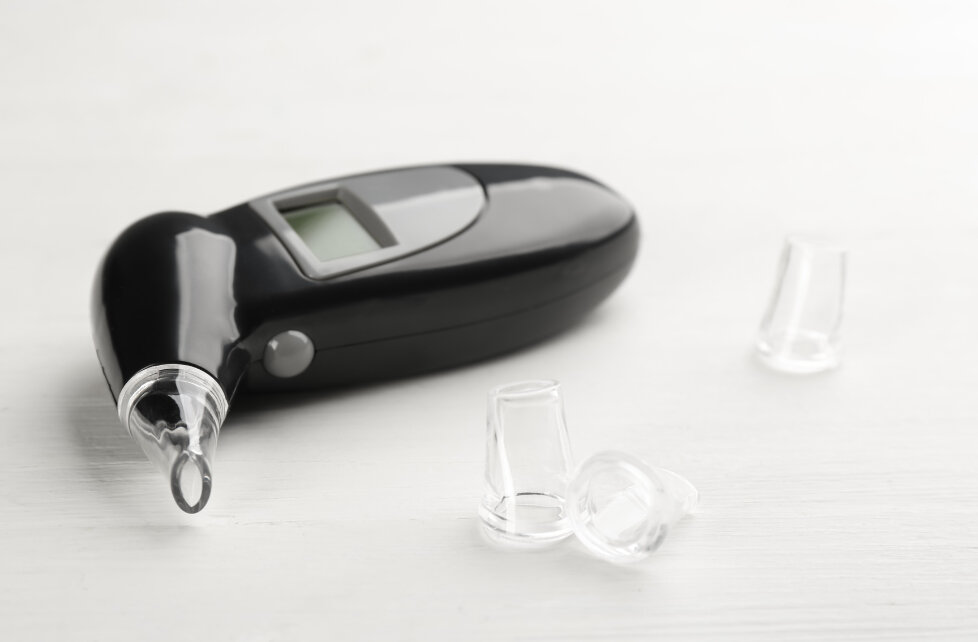
BAC is a central metric in defining impaired driving offenses (DUI – Driving Under the Influence). Legal thresholds vary by country, with most setting BAC limits between 0.05% and 0.08%. Zero-tolerance policies are often applied to novice and commercial drivers.
Penalties for DUI typically include:
- Fines and license suspension: These serve as primary deterrents.
- Mandatory rehabilitation programs: Offenders may be required to attend substance abuse education or treatment courses.
- Imprisonment: Repeat or severe offenses—especially those resulting in injury or death—can lead to incarceration.
Preventing Impaired Driving
Importantly, time remains the only effective method to eliminate alcohol from the body. Common myths—such as drinking coffee, taking cold showers, or exercising—do not accelerate sobriety.
Key strategies to reduce DUI risks include:
- Public awareness campaigns: Government and advocacy groups promote responsible drinking and transportation alternatives.
- Ignition interlock devices: These breathalyzer-based systems prevent intoxicated individuals from starting their vehicles.
- Zero-tolerance laws: Strict regulations for young and professional drivers help lower DUI incidents.
- Sobriety checkpoints and random testing: Law enforcement uses roadside testing to deter and detect impaired drivers.
Conclusion
Driving under the influence of alcohol or drugs poses a serious threat to road safety, endangering both drivers and pedestrians. Scientific evidence clearly demonstrates the detrimental impact of these substances on cognitive function, motor coordination, and reaction time. By understanding the physiological and neurological effects of alcohol and narcotics, individuals can make informed decisions about responsible driving. Rigorous enforcement of DUI laws, public education initiatives, and technological innovations continue to play a crucial role in reducing impaired-driving incidents and saving lives.
References
- American Automobile Association (2010). Responsible Driving.
- Mendelson, J. & Mello, N. (1996). Alcohol, Use and Abuse in America.
- Milhorn, H. T. (2000). Drug and Alcohol Abuse: The Authoritative Guide for Parents, Teachers, and Counselors.
- Thomas, H. (1995). Effects of Stimulants on Driving Behavior.