Does gluten affect weight gain?
Supporters of the theory about the influence of gluten on weight gain claim the following:
- Gluten stimulates weight gain through the presence of peptides that exhibit opioid activity.
- Gluten peptides reduce resting energy expenditure, leading to a positive energy balance.
But is this really the case?
Gluten is the main protein found in grains. Wheat, rice, and corn are the leading grain crops used as staple foods worldwide. If gluten is the cause of weight gain, what are the underlying mechanisms?
To answer this question, we can turn to a study published in 2022 in the Nutrition Bulletin titled "Do gluten peptides stimulate weight in humans?" by Fred Bronus et al. The authors provide intriguing data that challenges the traditional view of gluten's impact on weight gain.
It is hypothesized that the mechanism of increased food consumption upon gluten intake can be attributed to the following: peptides formed in the small intestine during gluten breakdown bear similarities to endogenous opioid peptides, such as endorphins (Meisel, 1997; Teschemacher, 1997). Endorphins are a group of opioid peptides produced by neurons in the brain that influence emotional state and decrease pain sensitivity. Feelings of happiness and pleasure are associated with the release of endorphins in the brain. However, opioids also have numerous other effects: endogenous opioids suppress gastrointestinal digestion, reduce food transit, and gastrointestinal motility. This complex mechanism is regulated by opioid receptors in the muscular and submucosal layers of the small intestine walls, as well as in the portal vein. Peptides that enter the body from an external source are referred to as exorphins or nutraceuticals. Thus, when gluten enters the digestive tract, it is broken down into peptides known as gluten exorphins.
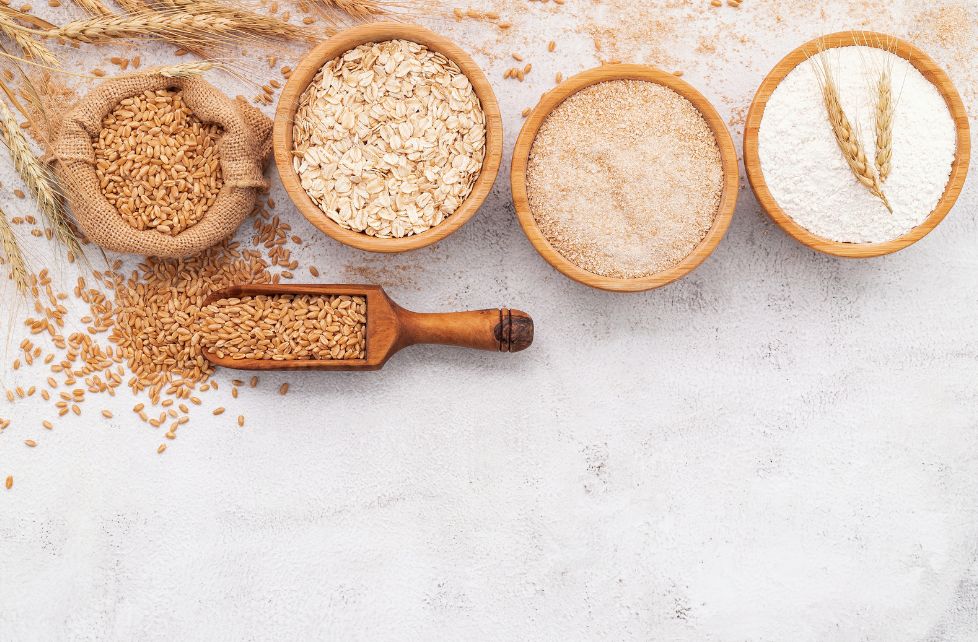
Earlier studies investigating the influence of gluten peptides on weight gain were based on the assumption that opioid peptides generated from gluten digestion reach the brain and increase the pleasure derived from food, thereby stimulating appetite. However, these studies did not take into account the complex processes regulating hunger, satiety, and appetite. Recently, the hypothesis that food endorphins stimulate increased food consumption solely due to pleasure has been called into question.
It has been proven that gluten exorphins can lead to both stimulating and inhibitory effects on appetite, increase the feeling of satiety, and decrease the number of food intakes. It is well known that endorphins reduce intestinal peristalsis and gastric emptying. It is logical to assume that, unlike appetite stimulation, these reactions would lead to loss of appetite and reduced food consumption (Sobczak et al., 2014).
Let's consider the behavior of plant-based proteins in the human body. Does the digestion of plant protein (gluten) stimulate appetite and, consequently, increase food consumption? The minimum protein intake in the daily diet of a person is 0.8 g/kg body weight. Plant proteins do not contain a complete set of essential amino acids, so a balance between the consumption of both plant and animal proteins is necessary. But do proteins stimulate hunger? Numerous clinical studies confirm that this is not the case. On the contrary, protein-rich diets reduce appetite, gastric emptying, and food intake. Additionally, when proteins are digested in the walls of the small intestine, peptide hormones GLP-1 (glucagon-like peptide-1) and PYY (pancreatic peptide YY) are released, regulating the feeling of satiety. These peptide hormones synergistically interact with peptides derived from food digestion, resulting in even greater satiety than carbohydrates and fats alone (Astrup et al., 2015; Bensaid et al., 2003; Hansen et al., 2021; Kim et al., 2016).
If the consumption of wheat gluten leads to excess weight, one would expect a much higher prevalence of overweight in countries with traditionally high wheat and gluten consumption per capita, for example, in North Africa, Western and Central Asia. However, this is not the case.
An interesting study (Bolourchi et al., 1968) replaced all dietary protein with wheat gluten as the sole source of protein for 50 days. This daily diet increased protein consumption almost fivefold compared to the daily norm (500 g instead of 67 g). However, this did not lead to weight gain in any of the participants observed.
One of the recent studies (Wang et al., 2021) conducted among 13,494 women in the United States found no differences in daily calorie intake, body mass index, and gluten consumption.
It is worth mentioning separately about gluten sensitivity and Crohn's disease.
Gluten sensitivity or celiac disease is a genetically determined condition characterized by gluten intolerance, villous atrophy in the small intestine, and impaired food absorption. However, it should be noted that celiac disease only develops in a small portion of the population, affecting only 1%. Often, patients themselves report gluten intolerance, but further examination does not reveal increased intestinal permeability characteristic of celiac disease.
Crohn's disease is a severe systemic disorder of the gastrointestinal tract characterized by lymphadenitis and ulcerative and fibrotic deformities of the digestive system. Unjustified exclusion of gluten for patients with Crohn's disease often leads to weight loss and nutrient deficiencies in this patient population.
Recent studies (Behrendt et al., 2021. Study of data from the UK Biobank) have shown a weak positive correlation between gluten consumption and body weight in women. Furthermore, it has been concluded that restricting gluten intake is unlikely to benefit the metabolic health of the general population.
Current evidence (Schlesinger et al., 2019; Seal & Brownlee, 2015) emphasizes that long-term consumption of whole grain crops containing gluten:
- Correlates with a lower risk of weight gain or absence thereof.
- Reduces the risk of developing type 2 diabetes, cardiovascular diseases, and colon cancer.
The modern concept of nutrition recommends regular consumption of whole grain products, most of which contain gluten, along with other sources of protein and plant-based foods. The presence of grains in the diet ensures a balance of essential nutrients, amino acids, and antioxidants, providing reliable protection against many diseases and gastrointestinal disorders, and generally does not lead to weight gain. Therefore, the consumption of whole grain products is essential within a healthy lifestyle and balanced diet.