Dietary Supplements: Between Evidence-Based Medicine and Marketing
Why have dietary supplements become one of the most debated topics in modern medicine?
Today, the dietary supplement market is expanding faster than most other healthcare sectors. Analysts forecast that its value will exceed USD 300 billion in the coming years. At the same time, increasing numbers of patients are independently taking vitamins, minerals, herbal extracts, probiotics, and other nutraceuticals. Increasingly, physicians are the professionals expected to answer questions about their efficacy, safety, and appropriateness of use.
However, the current evidence base differs substantially from the views held twenty years ago. Whereas research previously focused primarily on preventing deficiency states, scientists today are investigating the effects of dietary supplements on chronic diseases, ageing, the microbiome, metabolism, and personalized nutrition.
This raises a natural question: are physicians prepared to defend a scientifically grounded position and challenge marketing promises?
Some statistics
North America, particularly the United States, represents the largest dietary supplement market. In 2023, the US dietary supplement market was valued at USD 53.58 billion and is expected to continue growing. Forecasts suggest that this market will reach approximately USD 78.94 billion by 2030. Energy and weight-loss supplements account for the largest market share, at 67.5%. An estimated 15% of US adults have used dietary supplements for weight loss at least once in their lifetime, with the proportion reaching 21% among women and 10% among men. Americans spend approximately USD 2.1 billion on weight-loss supplements. Overall, approximately 40% of the US population uses dietary supplements, with higher use among women and White individuals. According to the US National Health Interview Survey, approximately 25% of respondents took vitamin and mineral supplements daily.
China is the world's second-largest dietary supplement market. In 2024, its value exceeded USD 30 billion, and it continues to grow by 6–8% annually, driven primarily by population ageing, increasing health awareness, and expansion of the middle class.
According to the 2023 CRN Consumer Survey, women used dietary supplements more frequently (52%) than men (48%). Supplement use increases with age: 40% of survey participants were older than 55 years. Dietary supplements are also used more frequently in higher-income households.
A similar increase in dietary supplement sales is observed in many other countries, including European countries.
Should dietary supplements be considered medicines?
One of the main causes of misunderstanding between patients and the medical community remains confusion between the concepts of a medicinal product and a dietary supplement.
In all developed countries, dietary supplements are classified as food products rather than medicines. Their purpose is to supplement the diet. This is precisely why registration requirements and requirements for demonstrating efficacy differ substantially from those applied to medicinal products.
Despite this, many consumers continue to perceive supplements as a means of treating obesity, osteoarthritis, cardiovascular disease, depression, or age-related changes.
For clinical practice, this means one thing: physicians need to routinely ask patients which dietary supplements they are taking, because many of these products may affect treatment outcomes.
Can a blogger recommend dietary supplements?
Current trends show that aggressive advertising, promotion through social media, and recommendations from bloggers often influence patients' choices more strongly than advice from physicians.
The situation becomes particularly concerning when questions of disease prevention and even treatment are increasingly placed in the hands of bloggers, fitness trainers, celebrities, and fashion influencers. Without medical qualifications or professional accountability for the consequences of their recommendations, they create misleading perceptions among millions of people regarding the safety and efficacy of dietary supplements. Replacing medical expertise with influencers' opinions is one of the most dangerous trends of the modern digital era, because decisions about prescribing nutraceuticals should be based exclusively on evidence-based medicine, clinical indications, and individualized assessment of the patient's condition.
Do we place too much trust in advertising?
The popularity of dietary supplements can largely be explained by psychological characteristics of consumers.
Several widespread myths continue to be actively used in marketing.
The first is that “natural always means safe.” However, the natural origin of a substance does not guarantee its safety. Many plant-derived compounds have significant pharmacological activity and may cause toxic reactions or interact with medicinal products.
The second myth is that “if a small amount is beneficial, a larger amount will be even more beneficial.” In practice, exceeding recommended doses is often what causes hypervitaminosis, metabolic disturbances, and toxic effects.
The third myth is that “if a product is freely available, it must be completely safe.” In reality, most dietary supplements do not undergo clinical trials on the same scale as medicinal products, and responsibility for product quality largely rests with the manufacturer.
Therefore, physicians need not only to recommend or advise against a particular supplement, but also to explain to patients the difference between the level of scientific evidence and marketing claims.
More relevant information is available via Dietary Supplements: A Contemporary Perspective

Why has the evidence base proved more complex than expected?
Over recent decades, views on the scientific evaluation of dietary supplements have changed substantially.
It is now becoming clear that the same nutrient may have different effects depending on a patient's age, genetic characteristics, dietary pattern, composition of the gut microbiota, and comorbidities.
In addition, people never consume individual nutrients in isolation. Food components interact with one another, modifying bioavailability, metabolism, and physiological effects.
Modern nutritional science is gradually shifting from studying individual substances toward investigating complex biological systems.
Are the same recommendations appropriate for every patient?
One of the concepts developing most rapidly in recent years is personalized nutrition.
A growing body of evidence indicates that identical recommendations may work differently in different individuals. The efficacy of dietary supplements is influenced by genetic variants, metabolic characteristics, the gut microbiome, level of physical activity, comorbidities, and even lifestyle.
This means that universal supplementation regimens are gradually giving way to an individualized approach.
Studies are emerging that use nutrigenomics, multi-omics analysis—the simultaneous investigation of several levels of biological processes—artificial intelligence, and machine learning to predict an individual patient's response to specific dietary components.
For practicing physicians, this means moving from the question “Does this supplement work?” to a much more complex question: “In which particular patient might it actually be effective?”
Is there evidence of efficacy?
Current scientific evidence supports neither complete rejection of the benefits of dietary supplements nor the assumption that they are universally effective.
For certain groups of patients, supplements can indeed correct deficiency states and form part of comprehensive strategies for preventing some diseases. However, the evidence base for the efficacy of most supplements remains heterogeneous.
Therefore, the physician's primary task is to critically evaluate the available evidence and apply an individualized approach to each patient.
Are we ready for a new era of research?
Modern nutritional science is undergoing a shift in scientific paradigm. In recent years, multi-omics technologies have developed rapidly, integrating genomics, epigenomics, transcriptomics, proteomics, metabolomics, and microbiome research. This approach makes it possible to study the human body as an integrated biological system rather than as a collection of separate organs or biochemical parameters.
These technologies make it possible to identify biomarkers of response to dietary components, predict the efficacy of nutritional interventions, and develop truly personalized strategies for disease prevention.
Is it time to view the microbiome as a fully functional organ?
One of the most rapidly developing areas remains research into the gut microbiome.
It is now becoming clear that many dietary supplements exert their effects not directly, but through changes in the composition of the gut microbiota and the metabolites it produces. The same component may produce different clinical effects in different patients precisely because of differences in microbiome composition.
Particular attention is being paid to probiotics, prebiotics, synbiotics, and postbiotics. However, current research indicates that there is no universally “beneficial” probiotic. Its efficacy depends on the baseline state of the gut microbiota, dietary pattern, concomitant medications, and characteristics of the immune system.
Therefore, prescribing such products should be justified and based on the individual characteristics of the patient.
Can artificial intelligence select the right dietary supplement?
Only a few years ago, such a question would have seemed like science fiction. Today, artificial intelligence is becoming one of the most promising tools in clinical nutrition.
Machine-learning algorithms can simultaneously analyze thousands of variables: genetic data, metabolic parameters, laboratory test results, dietary patterns, level of physical activity, and microbiome composition. These data are used to generate predictions of an individual patient's response to specific nutrients.
Despite impressive findings from early studies, their authors emphasize that these technologies are not yet ready to replace physicians' clinical reasoning. Most models require further validation, standardization, and evaluation in large prospective studies.
However, it is already evident that in the coming years artificial intelligence will become an important tool to support physicians in selecting personalized nutritional recommendations.
Why is dietary supplement safety becoming a global concern?
Market growth has been accompanied by increasing questions regarding product quality.
Unlike medicinal products, dietary supplements in many countries are not required to undergo clinical trials before entering the market. Responsibility for quality, conformity with the stated composition, and product safety largely rests with the manufacturer.
Publications from recent years have reported numerous cases in which the actual composition did not correspond to the information provided on the packaging. Individual studies have identified contamination with heavy metals, pesticide residues, and undeclared pharmacologically active substances, as well as substantial discrepancies between the actual and stated concentrations of active ingredients.
Differences in legal regulation create an additional problem. The same product may be freely sold in one country, require state registration in another, or be classified as a medicinal product elsewhere.
According to the authors of review publications, harmonization of regulatory frameworks and the establishment of unified requirements for dietary supplement manufacturing are needed.
Are we overlooking drug interactions?
In everyday clinical practice, this remains one of the most underestimated issues.
Many patients do not consider dietary supplements to be medicines and therefore do not report their use to their physician. However, certain components can substantially alter the efficacy of pharmacological therapy.
Interactions between St John's wort preparations and oral contraceptives, antidepressants, antiviral drugs, and immunosuppressants are well recognized. Red clover, for example, may affect the efficacy of tamoxifen. Herbal products containing ginkgo, garlic, ginseng, or ginger may alter bleeding risk in patients taking anticoagulants or antiplatelet agents.
Patients with cancer require particular attention. Some antioxidant supplements may potentially alter the efficacy of radiotherapy or anticancer treatment, and their use therefore requires agreement with the treating physician.
For this reason, medication history-taking should now include not only prescription medicines but also all dietary supplements, herbal products, and sports nutrition products.
Additional relevant information is available via The Role of Dietary Supplements in Supporting Muscle Mass and Physical Function
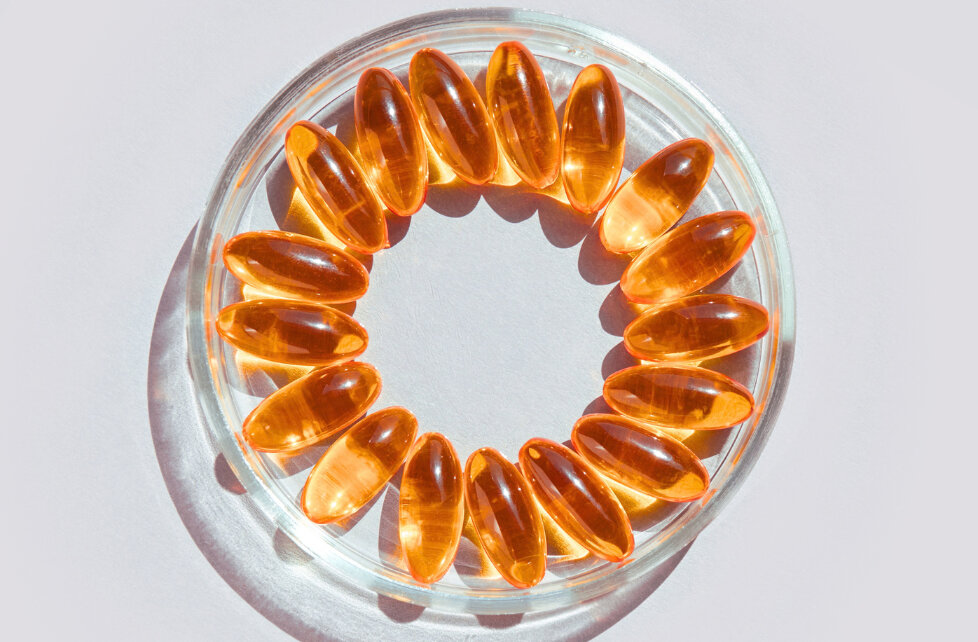
Can dietary supplements be recommended to everyone without exception?
Current scientific evidence does not allow an unequivocally positive answer.
Demonstrated benefits exist only for selected patient groups and specific clinical situations. The most convincing evidence relates to the correction of confirmed vitamin and trace element deficiencies.
At the same time, there remains insufficient convincing evidence that routine use of most dietary supplements reduces mortality, prevents chronic disease, or slows ageing in healthy individuals.
This does not mean that dietary supplements are ineffective. Rather, current science increasingly suggests that their use should be as individualized as possible and based on evidence-based medicine rather than on universal supplementation regimens.
What should physicians change in their practice today?
Physicians are increasingly encountering patients who independently research nutraceuticals, purchase dietary supplements online, and expect professional evaluation of their efficacy.
Under these circumstances, simply recommending or advising against the use of a specific product is not enough. It is far more important to help patients critically evaluate sources of information, explain the difference between marketing claims and clinical research findings, assess potential drug interactions, and consider individual risk factors.
The fundamental principles remain unchanged: all recommendations should be based on evidence-based medicine, account for the characteristics of the individual patient, and be accompanied by ongoing assessment of efficacy and safety.
This approach will likely form the foundation of clinical nutrition over the coming decade.
References
1. Starek M, Błasiak M, Dąbrowska M. Insights into dietary supplements as popular product supporting the diet. Naunyn Schmiedebergs Arch Pharmacol. 2026;399(6):7711-7725. doi:10.1007/s00210-025-04889-z.
2. Pavlak CDR, Drehmer M, Mengue SS. Dietary Intake of Micronutrients and Use of Vitamin and/or Mineral Supplements: Brazilian National Food Survey. Nutrients. 2024;16(22):3815. doi:10.3390/nu16223815.
Author: Olena Vyrva, MD
Questions & Answers
Q1. Can dietary supplements be recommended routinely to healthy individuals?
The article reports insufficient convincing evidence that routine use of most supplements reduces mortality, prevents chronic disease, or slows ageing in healthy individuals. The strongest evidence concerns correction of confirmed vitamin and trace element deficiencies.
Q2. What should a physician assess when a patient takes dietary supplements?
The assessment should include all supplements, herbal products, and sports nutrition products, alongside prescription medicines. Potential drug interactions, individual risk factors, and ongoing efficacy and safety assessment are central considerations.